
Working Abroad as a Cybersecurity Professional: What You Need to Know
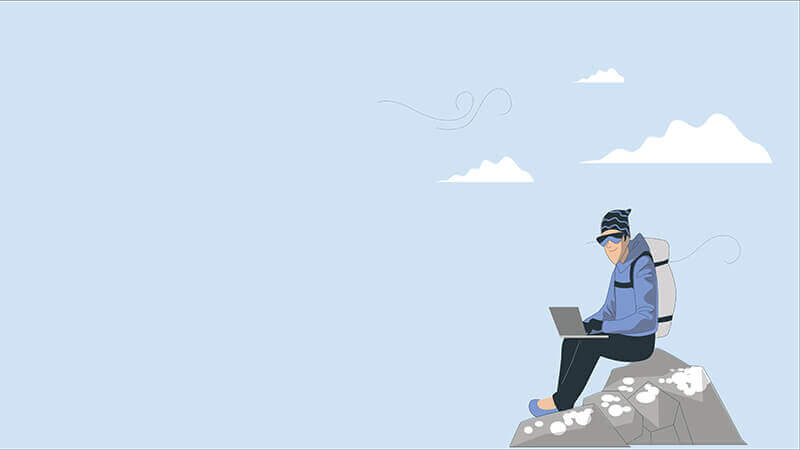
The world is becoming a smaller place. The prospect of working in another country becomes increasingly realistic and even promising as businesses migrate toward the cloud and collaborate more closely with international partners. Amid this shift, cybersecurity professionals may wonder if they can work abroad.
Cybersecurity is a worldwide concern, creating plenty of global opportunities for security professionals. They may not even have to be in the same country as their employers to provide their services. This opens up many questions for those who are considering a move to another region. Here is a closer look at some of these questions.
How Is Cybersecurity Work Different Abroad?
In any industry, working in another country will carry some unique understandings. Outside of varying workplace cultures, cybersecurity professionals should expect to encounter different demands and regulations.
Cybersecurity workers in the U.K. should understand the National Cyber Security Centre (NCSC) and its role in their work. Similarly, professionals in the EU must consider GDPR more heavily in all their decisions. Some of these regulatory differences will be more stringent than what employees see in the U.S., while others won’t. However, they require adaptation.
Just as there are cost-of-living adjustments within a particular country, there will likely be pay-scale differences between various nations, too. For example, a person working in the U.K. will be compensated differently than someone working in Singapore. Similarly, what companies expect from their cybersecurity partners varies slightly, but best security practices are universal, so professionals won’t need to relearn what is and isn’t safe. However, standard business practices and preconceptions will differ as well, so different challenges may be encountered there.
For example, the standard Israeli work week is 43 hours instead of 40 and runs from Sunday to Thursday instead of Monday to Friday. Sometimes, these differences are a legal matter, as in France, where the law holds that most workers aren’t responsible for responding to messages after hours.
Benefits of Working Abroad
Adapting to these differences may be challenging, but working abroad has many advantages. Most notably, security experts may be able to make more in other countries. Professionals in some nations earn six figures on average, and others may offer more flexibility and benefits than U.S.-based companies.
The potential for job growth and a wider choice of employment opportunities are other factors driving people abroad. The U.S. employs more cybersecurity professionals than anywhere else, but demand remains high globally. The U.K., Brazil, South Korea, and Japan have booming security industries that could give job-seekers unique opportunities.
Other workers may seek security jobs abroad simply because they want to see the world. Some countries may also have lower crime rates or easier tax regulations than the U.S.
Challenges of Working Abroad
Working abroad will bring unique challenges as well. People who move somewhere with another primary language may encounter communication barriers.
Required skills and backgrounds may also differ among countries. Skills that constitute a qualified cybersecurity expert in the U.S. may not carry the same recognition in Japan, so some workers may face limited options when moving internationally.
Traveling security workers who choose to work remotely will encounter some cybersecurity challenges of their own. They must remember to follow the best hybrid environment security practices to keep their data private.
Where Are the Best Places to Work?
Every country offers unique benefits and disadvantages for cybersecurity professionals working abroad. What constitutes the best place to work may differ depending on people’s preferences and needs, but generally speaking, some areas are better for cybersecurity than others.
India has rapidly growing IT and banking industries, creating plenty of opportunities for cybersecurity professionals. Switzerland also has a high demand for security workers thanks to its banking industry, and its low tax rate is also attractive. The EU has many opportunities, as legislation like the European Cybersecurity Act and GDPR raises the demand for security professionals. If you’re a person working abroad, it’s really important to understand the tax implications prior to making a commitment.
Some workers may migrate to areas with higher average salaries. Luxembourg has the highest average pay for cybersecurity professionals at more than $110,000 annually, but it also has a high cost of living. Japan, Belgium and the U.K. also offer globally leading salaries for security workers.
Is Remote Work Possible in Cybersecurity?
Some cybersecurity professionals may seek to work remotely. Remote work lets employees live where they want and opens the door to new opportunities, so it’s an excellent strategy for working abroad.
Experts predict that 25% of all jobs will be remote before long, but this trend is uneven across different industries. Naturally, fewer manufacturing jobs are remote than programming positions. Cybersecurity professionals looking into working abroad may wonder where this industry falls along that spectrum.
Many cybersecurity positions still require workers to be in-office at least some of the time, but several remote jobs are also available. Companies are becoming less stringent about noncritical requirements due to a global cybersecurity workforce gap of 2.7 million workers. More are accepting remote and hybrid security positions to fill this rising demand.
Cybersecurity Is an Expanding Field Globally
Cybersecurity is a global problem, so there is a demand for these workers worldwide. Professionals seeking a different experience, new setting or potentially higher pay can capitalize on this movement by working abroad.
Security experts who want to work for an international company, whether in that company’s domiciled country, or remotely, should expect differences in salary, culture, and even work hours. If they can adapt to these unique considerations, they can excel in this globally important profession.
 About the Author: Dylan Berger has several years of experience writing about cybercrime, cybersecurity, and similar topics. He’s passionate about fraud prevention and cybersecurity’s relationship with the supply chain. He’s a prolific blogger and regularly contributes to other tech, cybersecurity, and supply chain blogs across the web.
Editor’s Note: The opinions expressed in this guest author article are solely those of the contributor and do not necessarily reflect those of Tripwire, Inc.
The post ” Working Abroad as a Cybersecurity Professional: What You Need to Know” appeared first on TripWire