
Skip to content
NGTEdu Logo

NGTEdu

A PRODUCT OF NGTECH.CO.IN

NGTEdu Logo

NGTEdu

  • Home
  • Cyber Attacks
  • Malware
  • Vulnerabilities
  • Data Breach
  • Home
  • Cyber Attacks
  • Instagram photo flaw could have helped malicious hackers spy via users’ cameras and microphones
  • Critical Vulnerability
  • Cyber Attacks
  • Data Breach
  • Vulnerabilities

Instagram photo flaw could have helped malicious hackers spy via users’ cameras and microphones

5 years ago Graham Cluley
Instagram photo flaw could have helped malicious hackers spy via users’ cameras and microphones

A critical vulnerability in Instagram’s Android and iOS apps could have allowed remote attackers to run malicious code, snoop on unsuspecting users, and hijack control of smartphone cameras and microphones.

The security hole, which has been patched by Instagram owner Facebook, could be exploited by a malicious hacker simply sending their intended victim a boobytrapped malicious image file via SMS, WhatsApp, email or any other messaging service.

When Instagram is subsequently opened, a heap overflow would occur in the app’s image-processing library allowing – according to a blog post by security researchers at Check Point – attackers to spy on private messages, post and delete photos, as well as access the phone’s contacts, camera and location data.

“In effect, the attacker gets full control over the app and can create actions on behalf of the user, including reading all of their personal messages in their Instagram account and deleting or posting photos at will. This turns the device into a tool for spying on targeted users without their knowledge, as well as enabling malicious manipulation of their Instagram profile. In either case, the attack could lead to a massive invasion of users’ privacy and could affect reputations – or lead to security risks that are even more serious.”

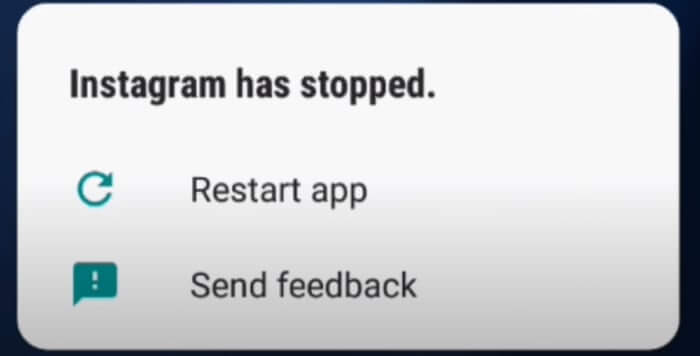
According to the researchers, the most basic exploitation of the flaw would cause the Instagram app to crash – preventing users from accessing their account until the app is deleted from their device and reinstalled.
Specifically, the vulnerability was in the way that the Instagram app used a third-party JPEG processing library called Mozjpeg. Sloppily, Instagram misused the open-source code when handling images opening a window of opportunity for remote code execution to take place.

Fortunately, the researchers who discovered the serious security hole believe in responsible disclosure, and worked with Facebook and Instagram to ensure that the vulnerability was patched properly.

It’s notable that details of the vulnerability have only been made public now, some six months after a patched version of Instagram was first rolled out. That underlines just how seriously the security hole was regarded by Instagram and the researchers who found it.

Because of the significant risk that a sophisticated attacker – perhaps state-sponsored – might attempt to exploit the flaw to spy upon high-risk targets, public disclosure has only taken place now, when it is believed that the majority of users will have updated their Instagram apps.

Of course, if you haven’t updated your Instagram app in the last six months or so then you really should take action now. Either remove the Instagram app from your smartphone entirely, or update it to the latest version from the official Google Play or iOS app stores.

Facebook confirmed that the security vulnerability had been fixed and that it hadn’t seen any evidence of malicious abuse of the flaw.

More information about the vulnerability can be found in a technical blog post published by the researchers.


Editor’s Note: The opinions expressed in this guest author article are solely those of the contributor, and do not necessarily reflect those of Tripwire, Inc.

The post ” Instagram photo flaw could have helped malicious hackers spy via users’ cameras and microphones” appeared first on TripWire

Source:TripWire – Graham Cluley

Tags: Android, Critical Severity, Encryption, Exploit, Facebook, Google, Hacker, High Severity, Instagram, Privacy, TripWire, Whatsapp

Continue Reading

Previous Major Instagram App Bug Could’ve Given Hackers Remote Access to Your Phone
Next Computer Programmer Pleads Guilty to Lying about Silk Road Involvement

More Stories

  • Cyber Attacks
  • Data Breach

Microsoft Develops Scanner to Detect Backdoors in Open-Weight Large Language Models

9 hours ago [email protected] (The Hacker News)
  • Cyber Attacks
  • Data Breach
  • Malware
  • Vulnerabilities

DEAD#VAX Malware Campaign Deploys AsyncRAT via IPFS-Hosted VHD Phishing Files

9 hours ago [email protected] (The Hacker News)
  • Cyber Attacks
  • Data Breach
  • Malware
  • Vulnerabilities

China-Linked Amaranth-Dragon Exploits WinRAR Flaw in Espionage Campaigns

12 hours ago [email protected] (The Hacker News)
  • Data Breach

Orchid Security Introduces Continuous Identity Observability for Enterprise Applications

15 hours ago [email protected] (The Hacker News)
  • Critical Vulnerability
  • Cyber Attacks
  • Data Breach
  • Malware
  • Vulnerabilities

The First 90 Seconds: How Early Decisions Shape Incident Response Investigations

17 hours ago [email protected] (The Hacker News)
  • Cyber Attacks
  • Data Breach
  • Malware
  • Vulnerabilities

Microsoft Warns Python Infostealers Target macOS via Fake Ads and Installers

19 hours ago [email protected] (The Hacker News)

Recent Posts

  • Microsoft Develops Scanner to Detect Backdoors in Open-Weight Large Language Models
  • DEAD#VAX Malware Campaign Deploys AsyncRAT via IPFS-Hosted VHD Phishing Files
  • China-Linked Amaranth-Dragon Exploits WinRAR Flaw in Espionage Campaigns
  • Orchid Security Introduces Continuous Identity Observability for Enterprise Applications
  • The First 90 Seconds: How Early Decisions Shape Incident Response Investigations

Tags

Android APT Bug CERT Cloud Compliance Coronavirus COVID-19 Critical Severity Encryption Exploit Facebook Finance Google Google Chrome Goverment Hacker Hacker News High Severity Instagram iPhone Java Linux Low Severity Malware Medium Severity Microsoft Moderate Severity Mozzila Firefox Oracle Patch Tuesday Phishing Privacy QuickHeal Ransomware RAT Sim The Hacker News Threatpost TikTok TripWire VMWARE Vulnerability Whatsapp Zoom
Copyright © 2020 All rights reserved | NGTEdu.com
This website uses cookies to improve your experience. We'll assume you're ok with this, but you can opt-out if you wish. Read More here.Cookie settingsACCEPT
Privacy & Cookies Policy

Privacy Overview

This website uses cookies to improve your experience while you navigate through the website. Out of these cookies, the cookies that are categorized as necessary are stored on your browser as they are essential for the working of basic functionalities of the website. We also use third-party cookies that help us analyze and understand how you use this website. These cookies will be stored in your browser only with your consent. You also have the option to opt-out of these cookies. But opting out of some of these cookies may have an effect on your browsing experience.
Necessary
Always Enabled
Necessary cookies are absolutely essential for the website to function properly. This category only includes cookies that ensures basic functionalities and security features of the website. These cookies do not store any personal information.
Non-necessary
Any cookies that may not be particularly necessary for the website to function and is used specifically to collect user personal data via analytics, ads, other embedded contents are termed as non-necessary cookies. It is mandatory to procure user consent prior to running these cookies on your website.
SAVE & ACCEPT